
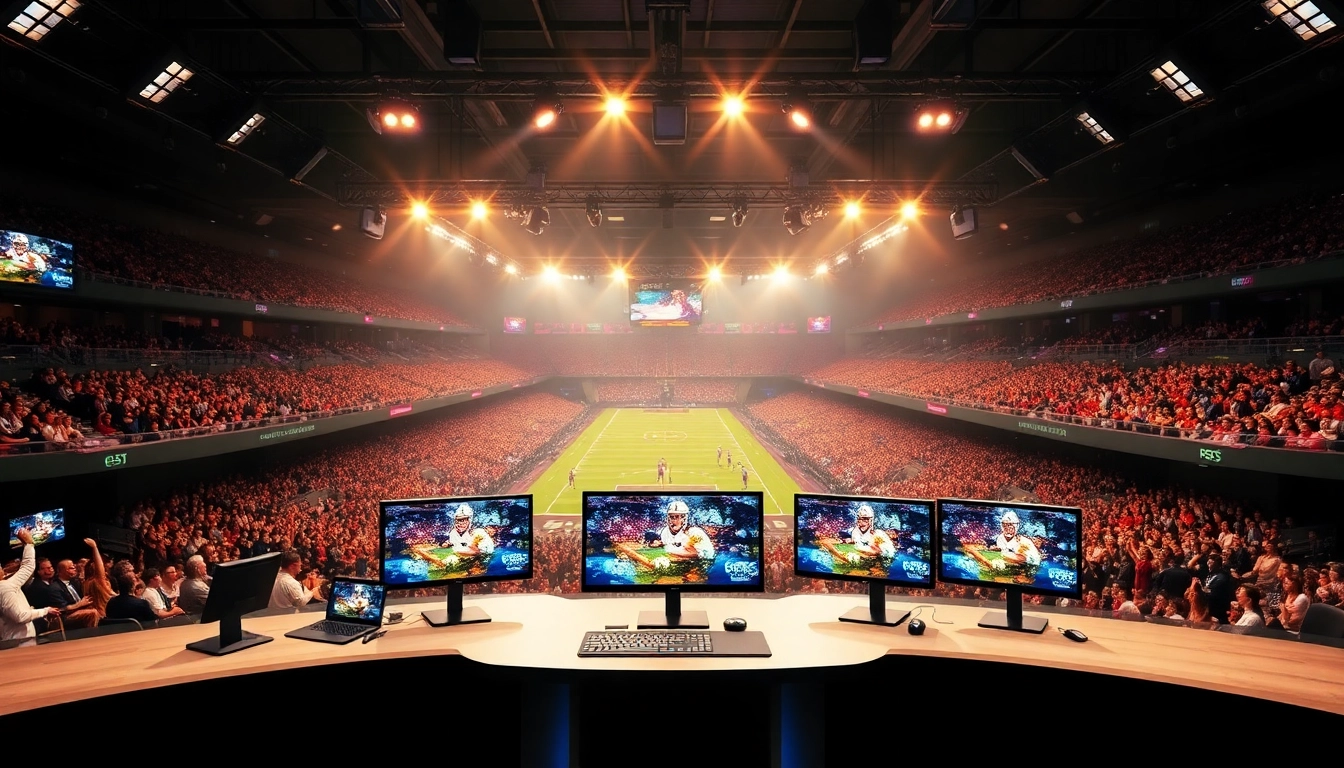
Introduction to Sports Broadcasting
Sports broadcasting has become an integral part of our culture, shaping how we experience our favorite games and athletes. With the rise of digital technology and an increasingly interconnected world, the way we consume sports content has evolved dramatically. Today, fans can engage with sports through various platforms, from traditional television to streaming services. In essence, Sports Broadcasting represents the merging of entertainment, journalism, and technology, offering a comprehensive view of the sporting world.
Understanding Sports Broadcasting
At its core, sports broadcasting is the dissemination of live or recorded sporting events through various media channels. This can include television, radio, and online streaming platforms. The primary objective is to provide coverage of athletic competitions and other related events to audiences worldwide. Sports broadcasting encompasses different types of sporting events, from major leagues to amateur competitions, and aims to cater to a diverse viewership.
The Importance of Live Coverage
Live coverage is crucial in sports broadcasting as it creates a sense of immediacy and connection with the audience. Fans want to witness pivotal moments in real-time, feel the thrill of victory, and share the agony of defeat. Live events elicit emotional responses, which deepen the viewer's attachment to the sport. Moreover, broadcasting live games fosters a sense of community among fans, encouraging discussions and interactions both online and offline.
Key Roles in Sports Broadcasting
Numerous professionals contribute to the effective delivery of sports broadcasts. Broadcasters, commentators, analysts, and producers all play significant roles in shaping the viewing experience. Broadcasters are responsible for presenting the event, while commentators provide play-by-play analysis, enhancing audience comprehension. Analysts typically delve deeper into game strategies and player performance, offering expert insights. Behind the scenes, producers coordinate the broadcast elements, ensuring a seamless presentation.
Techniques for Effective Sports Broadcasting
Preparing for a Broadcast
Preparation is key to successful sports broadcasting. Before the event, broadcasters should research teams, players, and relevant statistics. Familiarity with the subject matter enhances commentary and allows for more insightful analysis. Additionally, achieving technical readiness—ensuring that all equipment functions correctly—can help prevent glitches during the broadcast. It's also essential to formulate a broadcast plan that includes cue times, key storylines, and potential interview segments.
Engaging Commentary Skills
Engaging commentary transforms a standard broadcast into an extraordinary viewing experience. Effective commentators possess a unique blend of knowledge, passion, and communication skills. They must articulate thoughts clearly and concisely while keeping the audience engaged. Incorporating storytelling techniques can provide context to statistics and enhance emotional engagement. Moreover, improvisation skills are essential when handling unexpected occurrences during the game.
Utilizing Technology in Broadcasts
Modern sports broadcasting heavily relies on technology. High-definition cameras and advanced audio equipment are fundamental to delivering crystal-clear visuals and sound. Graphics play a critical role in providing real-time stats and updates. Emerging technologies like virtual and augmented reality are being explored to enhance viewer experience further. Broadcasters can also utilize social media analytics to engage audiences and gather real-time feedback.
Challenges in Sports Broadcasting
Managing Unexpected Events
In the fast-paced world of sports, unexpected events can occur at any moment, from weather changes to on-field injuries. Broadcasters must be adept at managing these situations with composure and professionalism. Developing contingency plans and maintaining open communication among the production team can mitigate potential disruptions. Additionally, broadcasters should be prepared to pivot and provide alternative content as the situation dictates.
Viewership and Audience Engagement
As competition in the media landscape intensifies, retaining viewership and enhancing audience engagement have become significant challenges. Broadcasters must find innovative ways to attract and keep their audience. Interactive elements such as live polls and social media integration can help engage fans. Furthermore, understanding the demographics of the audience can guide content strategies tailored specifically to viewers' preferences.
Adapting to Changing Technologies
The rapid advancement of technology requires sports broadcasters to continuously adapt. With the rise of streaming services, traditional broadcast models are being challenged. Broadcasters must stay up-to-date with the latest tools and platforms to ensure they remain relevant. Continuous training and development are essential for staff to leverage technology effectively and create compelling content that resonates with viewers.
Best Practices for Sports Broadcasting
Ensuring Accurate Information
Accuracy is paramount in sports broadcasting. Providing incorrect information can mislead audiences and damage credibility. Broadcasters must verify facts and statistics before presenting them. Partnerships with credible data sources and thorough fact-checking practices can help maintain accuracy. Additionally, clear communication with on-site reporters ensures that real-time updates remain reliable and informative.
Maintaining Viewer Connection
Creating a bond with viewers enhances loyalty and engages audiences. Personalizing the broadcast by acknowledging fans' emotions and experiences can foster a sense of connection. Engaging with viewers through social media platforms and responding to their comments during the broadcast can further strengthen this relationship. Personal stories from athletes or memorable moments in the sport can help create relatable content for audiences.
Innovative Content Creation Strategies
Innovative content creation is essential for standing out in the crowded sports broadcasting space. Experimenting with new formats—such as multi-angle viewing options or interactive highlights—can captivate audiences. Collaborating with influencers or creating behind-the-scenes content can provide unique perspectives that keep viewers engaged. Audience feedback should guide future content strategies to ensure alignment with viewer interests.
Future Trends in Sports Broadcasting
Impact of Streaming Services
The emergence of streaming services has revolutionized sports broadcasting. Platforms offering on-demand content have become popular, allowing fans to watch games at their convenience. As this trend continues, traditional broadcasters need to adapt by offering comparable services. Expect a hybrid model where live and on-demand content coexists, giving viewers more control over how they engage with sports.
Rise of Interactive Broadcasting
The future of sports broadcasting will likely see more interactive experiences for viewers. Features like live chats, polls, and interactive graphics are gaining traction, allowing audiences to engage with the content actively. Broadcasters can leverage technologies like augmented reality to enhance storytelling, providing immersive experiences. This trend will ultimately draw fans deeper into the action and foster a community around live events.
Leveraging Analytics in Sports Broadcasting
Data analytics is increasingly shaping sports broadcasting, helping to enhance viewer experience and streamline production processes. Broadcasters can analyze viewer preferences, enabling tailored content delivery that resonates with audiences. Performance metrics from games can provide insightful commentary and deeper analysis, informing viewers' understanding. As data becomes more integral, expect a rise in analytics-driven journalism within sports broadcasting.
FAQs about Sports Broadcasting
What is Sports Broadcasting?
Sports broadcasting involves delivering live athletic events and performances to viewers through various media channels like TV and online streaming.
How can I improve my sports commentary?
Improvement comes through practice, studying past broadcasts, and focusing on clarity, engagement, and a deep understanding of the sport.
What technologies are essential in sports broadcasting?
Key technologies include high-definition cameras, audio equipment, broadcasting software, and streaming platforms to deliver content effectively.
How does audience engagement affect sports broadcasting?
High levels of engagement can lead to increased viewership and retention, making it essential for broadcasters to connect with their audience.
What future trends should I watch in sports broadcasting?
Expect growth in streaming services, interactive viewer experiences, and the use of data analytics to enhance broadcasts and audience insights.