



Understanding Хараазасахмэсзасал: The Future of Eye Surgery
In the rapidly advancing world of medical technology, eye surgery is undergoing significant transformations. One standout procedure is Хараазасахмэсзасал, which is setting new benchmarks for how eye conditions are treated and managed. With the promise of enhanced vision and quicker recovery times, this method is changing the landscape of eye care. As we explore the nuances of Хараазасахмэсзасал, the advantages it offers, and its implications for the future, those seeking top-notch eye care can also benefit from a comprehensive approach found at Хараазасахмэсзасал.
What is Хараазасахмэсзасал?
Хараазасахмэсзасал is a revolutionary eye surgery technique aimed at correcting various vision impairments, including myopia, hyperopia, and astigmatism. Unlike traditional methods, which often rely on cumbersome glasses or contact lenses, this procedure utilizes advanced technology to reshape the cornea or implant lenses directly into the eye, resulting in clearer vision without the need for corrective eyewear.
This state-of-the-art surgical technique emphasizes precision and personalization, ensuring that each procedure is tailored to the unique anatomical and functional needs of the patient. By leveraging the latest advancements in laser technology and surgical techniques, Хараазасахмэсзасал is making strides towards becoming the preferred option for eye care professionals worldwide.
Key Benefits of Хараазасахмэсзасал
- Reduced Recovery Time: Patients often experience a significant reduction in downtime, allowing them to resume normal activities within days, rather than weeks.
- Enhanced Visual Outcomes: Many patients report improved vision quality, with fewer incidences of glare and halos compared to traditional surgical methods.
- Higher Precision: Advanced imaging and laser systems ensure that the procedure is executed with high levels of accuracy, minimizing risks associated with human error.
- Long-lasting Results: The effects of Хараазасахмэсзасал tend to be durable, providing patients with sustained visual acuity over the long term.
Trends in Eye Care for 2026
As we look towards 2026, several trends are shaping the future of eye care and surgery. The integration of artificial intelligence and machine learning into diagnostic processes is enabling earlier detection of vision problems, allowing for more timely interventions. Telemedicine is also becoming a valuable resource, providing patients greater access to eye care specialists regardless of geographic location.
Moreover, innovations in patient education and awareness will empower individuals to make informed decisions about their eye health. The rise of personalized medicine will likely continue to enhance the effectiveness of procedures like Хараазасахмэсзасал, tailoring the surgical approach to the individual’s specific needs.
Innovative Techniques in Eye Surgery
Overview of Procedures for Хараазасахмэсзасал
The procedures associated with Хараазасахмэсзасал involve several steps that are meticulously planned and executed. Initially, a thorough assessment of the patient’s eye health is conducted, often utilizing advanced diagnostic tools. These may include corneal topography, wavefront analysis, and digital imaging systems that provide crucial insights into the eye’s structure and function.
Once the evaluation is complete, the specific surgical technique will be determined. The most common methods include LASIK, SMILE, and ICL (Implantable Collamer Lens). Each method offers distinct advantages and is selected based on individual patient needs, ensuring optimal outcomes.
Integration of Technology in Surgery
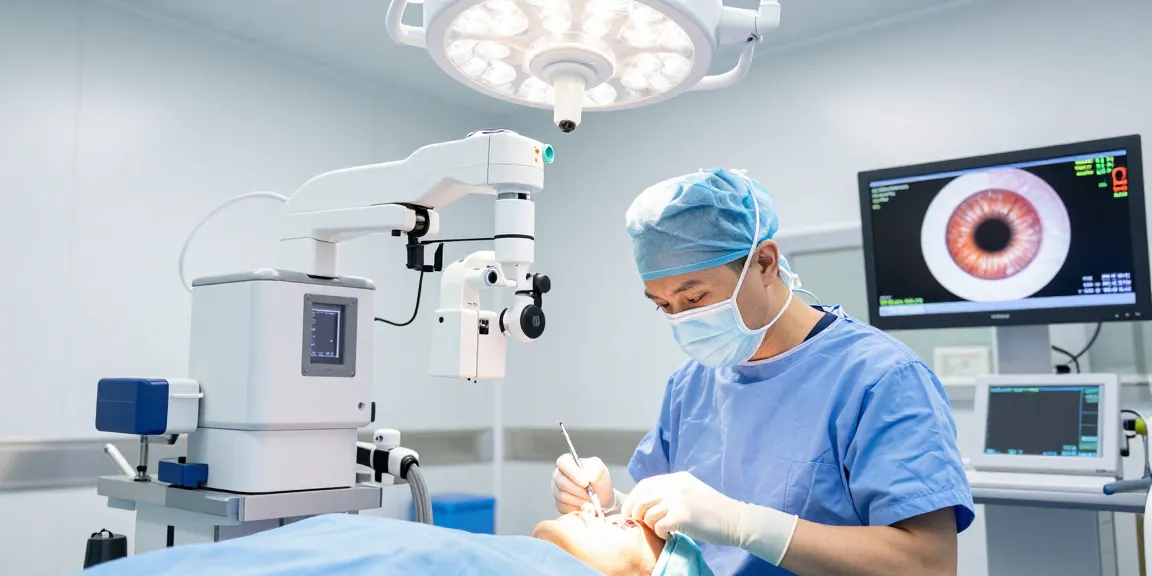
The use of cutting-edge technology is a hallmark of Хараазасахмэсзасал. Laser systems play a pivotal role in these procedures, enabling surgeons to perform corrections with unparalleled precision. For instance, femtosecond lasers are now widely used for flap creation in LASIK surgery, while sophisticated software assists in customizing treatment plans based on the patient’s unique ocular metrics.
Additionally, real-time imaging allows for the monitoring of the eye during surgery, ensuring that any adjustments can be made instantly, further enhancing safety and efficacy.
Case Studies: Successful Outcomes
Real-world applications of Хараазасахмэсзасал have demonstrated its effectiveness in various patient populations. For example, a study of 1,000 patients undergoing this procedure showed that 98% achieved 20/25 vision or better within a week post-surgery. Another case involved a patient with severe myopia who, after receiving an ICL implant, experienced a dramatic improvement in their lifestyle, transitioning from reliance on glasses to enjoying a wide range of activities without visual limitations.
Patient Experience and Satisfaction
Importance of Personalization in Eye Care
Personalization is at the core of successful eye care, especially with procedures like Хараазасахмэсзасал. Recognizing that each patient presents unique anatomical and lifestyle considerations is crucial for tailoring treatment approaches. By engaging patients in their treatment plans and providing options that suit their specific needs, clinics can enhance satisfaction and improve outcomes.
Patient Education and Informed Consent
Informed consent is a fundamental aspect of patient care. Eye care professionals must ensure that patients fully understand the risks and benefits of their chosen procedures. This includes discussing potential side effects, expected recovery times, and realistic outcome projections. Providing educational resources—such as brochures, videos, and one-on-one consultations—can help patients feel empowered in their decision-making processes.
Feedback and Improvement Strategies
Continuous improvement is vital for maintaining high patient satisfaction rates. Collecting feedback from patients after their procedures can provide valuable insights into their experiences and areas for enhancement. Clinics should implement robust systems to analyze this feedback and adapt practices accordingly, ensuring that they meet and exceed patient expectations.
Marketing Your Eye Care Practice Effectively
Creating a Unique Value Proposition
In a competitive landscape, establishing a distinctive value proposition is essential for eye care practices. Highlighting unique offerings, such as specialized surgical techniques like Хараазасахмэсзасал, personalized treatment plans, or state-of-the-art technology, can differentiate practices from their competitors. Clear messaging that resonates with potential patients is vital for successful marketing efforts.
Utilizing Digital Marketing for Patient Acquisition
Digital marketing strategies such as SEO, social media engagement, and online advertising are crucial for attracting new patients. Optimizing a website with relevant keywords related to eye care and surgical procedures not only enhances visibility in search engines but also builds credibility. Engaging content, including blogs and patient testimonials, can further establish a practice as a trusted source of information.
Engagement Strategies for Retaining Patients
Retaining patients requires ongoing engagement and relationship building. Regular communication through newsletters, follow-up care reminders, and personalized check-ins can foster loyalty. Additionally, offering loyalty programs or referral incentives can encourage satisfied patients to share their positive experiences, contributing to practice growth.
Looking Ahead: The Future of Eye Care in 2026 and Beyond
Emerging Technologies to Watch
As we advance into 2026, several emerging technologies are poised to revolutionize eye care. Virtual reality (VR) may be utilized for patient education and surgical training, while augmented reality (AR) could enhance preoperative planning and intraoperative guidance. Other advancements in nanotechnology and gene therapy hold promise for treating previously untreatable conditions.
Regulatory Changes Impacting Eye Surgery
The landscape of eye surgery is also likely to be shaped by regulatory changes. As new technologies and procedures emerge, regulatory bodies will adapt guidelines to ensure patient safety and efficacy. Eye care practices must stay informed of these changes to maintain compliance and provide the highest standard of care.
Preparing for Future Patient Needs
Understanding and anticipating patient needs will be critical for the success of eye care practices in the future. As populations age and digital device usage continues to increase, addressing emerging vision issues will be paramount. A focus on preventive care, regular screenings, and public awareness campaigns can help practices meet these evolving demands effectively.
What is the recovery process for Хараазасахмэсзасал?
Recovery from Хараазасахмэсзасал varies depending on the specific procedure performed, but patients typically experience minimal downtime. Many can return to normal activities within a few days, though full recovery may take several weeks as the eyes heal and vision stabilizes.
Are there risks associated with Хараазасахмэсзасал?
As with any surgical procedure, Хараазасахмэсзасал carries some risks, including dry eyes, glare, halos, and in rare cases, loss of vision. It’s essential for patients to discuss these potential risks with their healthcare provider to make an informed choice.
How to choose the right clinic for Хараазасахмэсзасал?
Choosing the right clinic involves evaluating factors such as the clinic’s reputation, the qualifications of the surgical team, and the technology used in procedures. Patients should seek clinics that provide personalized evaluations and maintain a strong focus on patient care and satisfaction.
What innovations are transforming eye surgery?
Innovations such as laser systems, minimally invasive surgical techniques, and advanced imaging technologies are transforming eye surgery by improving precision, safety, and patient outcomes. These advancements are making procedures like Хараазасахмэсзасал more efficient and accessible.
How to evaluate patient satisfaction in eye care?
Evaluating patient satisfaction can be done through surveys, follow-up interviews, and direct feedback mechanisms. Analyzing this data helps clinics identify strengths and areas for improvement, ultimately enhancing the overall patient experience.