





Understanding the Impact of the World Cup 2026 on Sports Culture
The World Cup 2026 is set to be a watershed moment in global sports culture, bringing with it not only thrilling matches but also a significant transformation in how fans engage with the game. As the tournament approaches, its influence on communities, viewing habits, and marketing strategies becomes increasingly evident. The anticipation surrounding this event is palpable, with stakeholders from all aspects of the sports industry preparing for the myriad opportunities that it presents. Moreover, the digital transformation in sports viewing is likely to reshape the landscape, making it essential for fans, brands, and broadcasters alike to adapt accordingly. For a comprehensive understanding of these dynamics, world cup 2026 offers valuable insights that can help navigate this period of change.
Historical Significance of World Cup Events
World Cup events have always carried significant historical weight, often reflecting cultural shifts and societal changes. This upcoming tournament in 2026 is poised to continue this tradition. In the past, World Cups have not only showcased the best talent in football but have also united nations, transcending political and cultural barriers. Each tournament is a tapestry of stories, heroics, and moments that resonate far beyond the boundaries of the pitch. For instance, the 1994 World Cup in the United States paved the way for a sustained interest in soccer in a country that had previously been indifferent to the sport.
How Major Tournaments Enhance Community Engagement
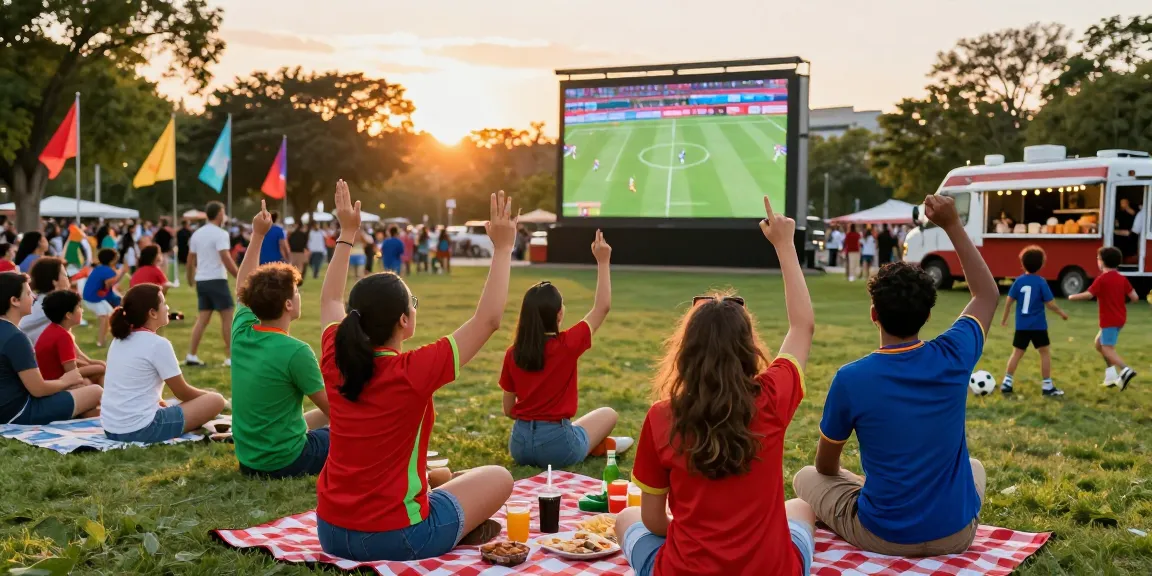
Major tournaments like the World Cup foster a profound sense of community engagement. Local businesses thrive as fans gather to watch matches in bars and restaurants, and schools and community centers often organize viewing parties. The sense of camaraderie and shared experience during the World Cup can lead to increased interest in sports participation among young people, embedding soccer deeper into the community’s fabric. Grassroots initiatives that arise during such events often result in long-term programs that support ongoing sports development.
Shift in Viewing Habits: From Stadiums to Screens
As technology evolves, so do the preferences of sports fans. There has been a marked shift from attending live matches in stadiums to watching games on various screens. With the arrival of high-definition broadcasts, online streaming, and mobile viewing options, fans can now experience matches from the comfort of their homes or on-the-go. This transition is particularly notable among younger audiences, who prioritize accessibility and convenience over traditional viewing methods.
Live Streaming: The Future of Sports Watching
Live streaming has transformed the way sports are consumed, making events more accessible than ever. As we look toward the World Cup 2026, the importance of these platforms will only continue to rise. Innovations in technology are leading to new ways for fans to engage with their favorite teams and players, fundamentally altering their viewing experience. The flexibility of live streaming allows viewers to choose when and where they watch games, increasing overall engagement.
Technological Innovations Changing Fan Experiences
Recent advancements such as augmented reality (AR) and virtual reality (VR) are set to revolutionize fan experiences during the World Cup. These technologies can provide fans with immersive experiences, allowing them to feel as if they are part of the action, even from a distance. For instance, VR can offer a stadium-like experience at home, immersing viewers in the atmosphere of a live match.
Platforms Leading the Charge for Live Sports
Streaming platforms such as YouTube, Twitch, and dedicated sports apps are increasingly becoming the go-to sources for live sports content. These platforms not only offer live matches but also leverage social media integration, enabling fans to engage with content and interact with each other in real-time. The accessibility of these platforms makes it easier for fans to customize their viewing experience and participate in discussions, enhancing overall enjoyment.
Engagement Metrics: Measuring Viewer Satisfaction
As the sports industry continues to embrace digital technologies, measuring viewer satisfaction has become essential. Engagement metrics such as viewer retention, social media interaction, and feedback can provide insights into the effectiveness of live streaming services. By understanding these metrics, broadcasters and teams can enhance their offerings, thereby improving viewer experiences during key events like the World Cup.
Global Trends in Sports Marketing Influenced by the World Cup 2026
The World Cup serves as a catalyst for global trends in sports marketing, as brands look to capitalize on the heightened attention surrounding the tournament. This event offers unique opportunities for sponsorships and partnerships, particularly as companies strive to align themselves with the values of teamwork, perseverance, and international unity that the World Cup embodies.
Brand Partnerships and Sponsorship Opportunities
Successful brand partnerships during the World Cup can lead to significant visibility and market engagement. Brands that strategically align themselves with the tournament can tap into a vast audience, driving brand loyalty and recognition. Companies, particularly those in industries like travel, food and beverage, and apparel, actively seek partnerships that enhance their visibility during this global event.
Leveraging Social Media for Fan Interaction
Social media platforms have become critical for brands looking to engage with fans during the World Cup. Campaigns that encourage user-generated content, such as photo contests or hashtag challenges, have proven effective in generating buzz. Engaging fans through social media not only promotes brand visibility but also fosters a sense of community among supporters.
Case Studies of Successful Campaigns
Numerous brands have successfully executed marketing campaigns during previous World Cups, establishing themselves firmly in the sporting landscape. For example, Coca-Cola’s “Share a Coke” campaign not only increased sales but also engendered brand loyalty by personalizing the consumer experience. These case studies provide valuable lessons for brands preparing for the upcoming tournament.
Challenges Facing Sports Broadcasters and Stakeholders
While the World Cup presents numerous opportunities, it also poses several challenges for broadcasters and stakeholders. Understanding these challenges is crucial for navigating the complex landscape of sports media in the digital age.
Adapting to Evolving Audience Preferences
The rapid evolution of audience preferences necessitates that broadcasters adapt quickly. With younger audiences leaning towards on-demand content and flexible viewing options, traditional broadcasting models may need restructuring. This adaptability is critical to maintaining audience engagement and satisfaction during events like the World Cup.
Managing Broadcast Rights in a Competitive Landscape
Broadcast rights have become increasingly competitive, with numerous stakeholders vying for limited opportunities to air games. This situation requires sports organizations to negotiate effectively, balancing the potential revenue from broadcast deals with the desire to maximize audience reach. The World Cup, in particular, draws significant interest from both established broadcasters and new streaming platforms.
Addressing Technical Issues During Live Events
Technical issues during live broadcasts can severely impact viewer satisfaction. Ensuring a seamless viewing experience is critical, especially during high-stakes events like the World Cup. Broadcasters must invest in robust technology and contingency plans to minimize disruptions, ensuring that fans can enjoy every moment of the action without complications.
Looking Ahead: The Legacy of World Cup 2026
As the world gears up for the World Cup in 2026, it’s crucial to consider its potential legacy. Beyond the immediate excitement and economic impact, this event is likely to shape the future of sports culture in various ways.
Future Predictions for Sports Events Post-2026
The trends and behaviors observed during the World Cup 2026 will likely influence sports events long after the tournament concludes. From increased digital engagement to a greater emphasis on community involvement, stakeholders must be prepared to evolve alongside these changes to stay relevant and connected with audiences.
Building Lasting Engagement with Fans Beyond the Tournament
One of the essential legacies of the World Cup will be the lasting connections formed between fans, teams, and brands. Creating initiatives that foster ongoing engagement post-tournament can help sustain the excitement generated during the event. Whether through community programs, fan clubs, or digital platforms, maintaining these connections is vital for the growth of the sport.
Expert Insights and Industry Perspectives
Industry experts predict that the World Cup will serve as a turning point for sports marketing and broadcasting. By embracing technology and recognizing the importance of audience preferences, stakeholders can ensure they harness the full potential of this global event, paving the way for future successes in sports culture and engagement.
How will technology enhance the World Cup 2026 experience?
Technology is set to play a crucial role in enhancing the World Cup experience, from AR and VR immersions that give fans unparalleled access to live action, to interactive apps offering real-time stats and insights. These innovations will not only enhance the viewing experience but will also create new engagement avenues for sponsors and brands.
What are the best practices for engaging fans during live matches?
Best practices for engaging fans include utilizing social media for real-time interaction, creating engaging content tailored to audience preferences, and employing gamification strategies to keep fans involved throughout matches. Building a community atmosphere around these events can also elevate the overall experience.
How can brands capitalize on the World Cup 2026 momentum?
Brands can capitalize on this momentum by creating authentic, relatable content that resonates with fans. Partnerships and sponsorships should focus on enhancing the viewer experience, rather than simply promoting products, and brands should leverage social media to foster engagement and community involvement.
What are the expected trends in sports broadcasting post-2026?
Post-2026, we can expect trends such as increased use of AI for predictive analytics, more personalized viewing experiences, and greater integration of eSports into mainstream sports broadcasting. These developments will demand that broadcasters remain agile and responsive to emerging technologies and audience preferences.
How does community engagement influence sports participation?
Community engagement has a profound impact on sports participation. When communities rally around events like the World Cup, it inspires not just increased viewership, but also higher levels of participation in local sports programs and initiatives. The sense of belonging and excitement can motivate individuals to join teams, clubs, and leagues, fostering a culture of sports and activity.